
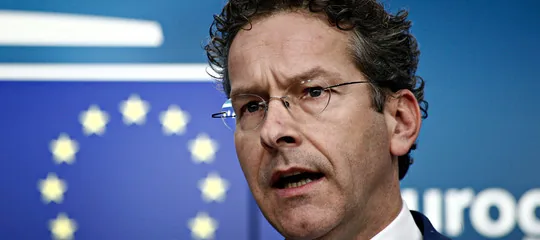
Let’s face it, despite an army of officials, consultants and green screens, the EU Communication rarely hits the target: most citizens are unaware of what the EU is or does, they don’t follow or interact with the official channels (unless they are Catalan independentists), and our information rarely reaches them, unless it has been, often negatively, chewed by journalists first.
This is due to many factors: first of all, communication is considered less important compared to policy-making, so real communication experts are scarce and communication positions are used as parachutingParachutingParachuting is the act of appointing people who had prestigious political roles to administrative positions they don't have the requirements or the competences for (e. g. an ex-commissioner with little academic destination (“Anybody can do communication!”); secondly, most citizens don’t really care about politics, unless it’s entertaining, so they will hardly find us interesting; finally we don’t have well-functioning and popular networks in the member statesMember StateMember State (abbr. MS) is how eurocrats call a country which is part of the European Union. Clear writing guidelines recommend using EU country or EU countries instead, but some habits are hard to die. that can really weight in during public debates (yes, Representations are a cute beginning but still far from there).
Like (founding) fathers, like sons
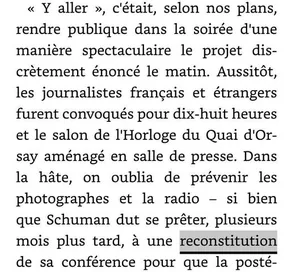
The real question is: are we at least improving compared to the past? And here DG MEME has great news, the answer is yes! Consider for example the Schuman Declaration, held on the 9th of May 1950. According to Jean Monnet’s memories, in the rush of the conference they forgot to invite photographers and radios. Schuman had to repeat the whole speech a few months later, so that media could preserve it.
Comments
Leave your comment